
About
The Origin
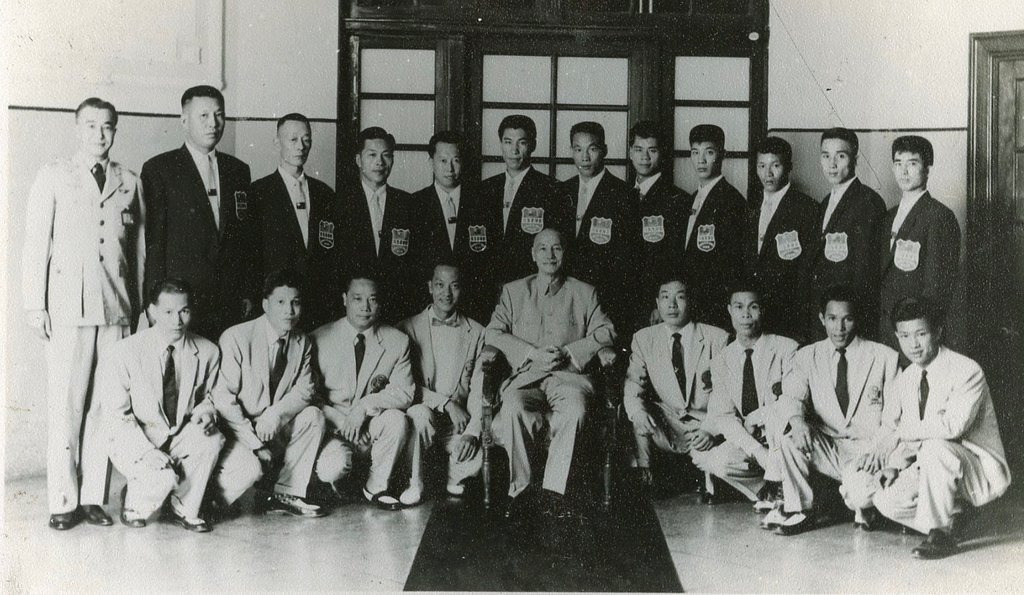
The founder of RyuShinDo, Professor Dickie Siu Djeh Yue (October 25, 1935-July 6, 2016), believed that martial arts should remain open, adaptable, and continually evolving. After more than six decades of studying, teaching, and competing across multiple disciplines, he distilled their most effective principles into a practical system rooted in efficiency, adaptability, and real-world application. He encouraged his students to question everything, preserve what proved effective, discard what did not, and never stop learning.
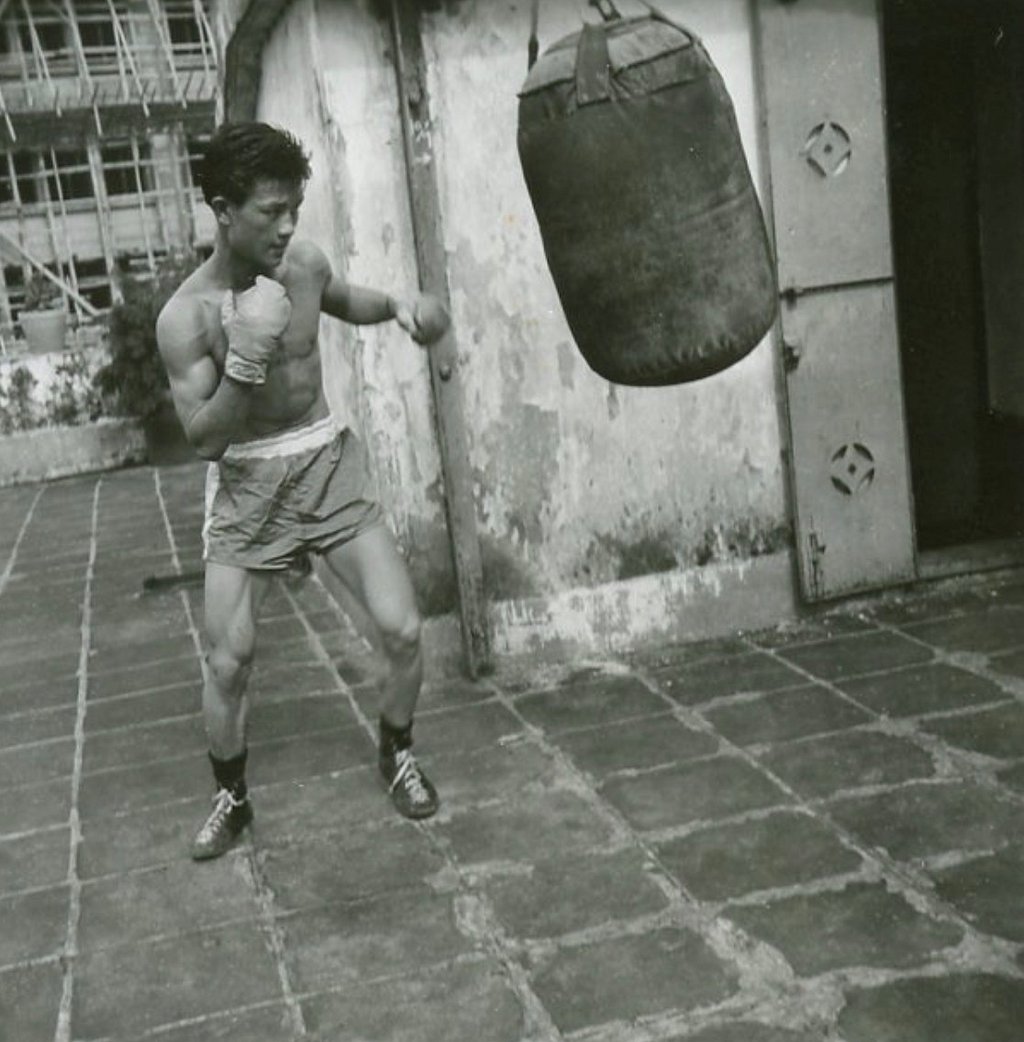
Born in Hong Kong, China, in the 1930s, Mr. Yue dedicated his life to studying and transmitting martial arts. As a young man, he became the Hong Kong Golden Gloves Flyweight Champion, later earning black belts in Kodokan Judo, Danzan Ryu Jujutsu, and Tae Kwon Do, while remaining an active competitor in Kodokan Judo. Alongside these accomplishments, he devoted decades to studying Wing Chun, Tai Chi, Qi Gong, and Chinese boxing. Rather than viewing these disciplines as separate systems, Mr. Yue recognized that each offered something valuable. Over a lifetime of training, teaching, and competition, he refined the principles they shared, combining the striking techniques of boxing and Wing Chun with the throws, joint locks, and grappling of Kodokan Judo and Danzan Ryu Jujutsu to create an approach that emphasized simplicity, adaptability, and practical effectiveness
Preserving Tradition
In 2006, after years of collaboration with his Chief Disciples, Nicholas Giordano and Bob Hunt, the art he had been synthesizing and refining for decades became formally recognized as RyuShinDo—The Way of the Flowing Heart.
In 2007, the first RyuShinDo black belt was awarded to Nicholas Giordano by Mr. Yue Sensei, Professor Michael Esmailzadeh, Kudan (9th Dan) in Danzan Ryu Jujutsu and Grand Master Suk Byung Park, Judan (10th Dan). Mr. Giordano has spent the last 17+ years studying, teaching and refining his artistic style before releasing this clothing line which visually reflects the embodied practice and lifestyle representative of RyuShinDo today.
Carrying the Art Forward
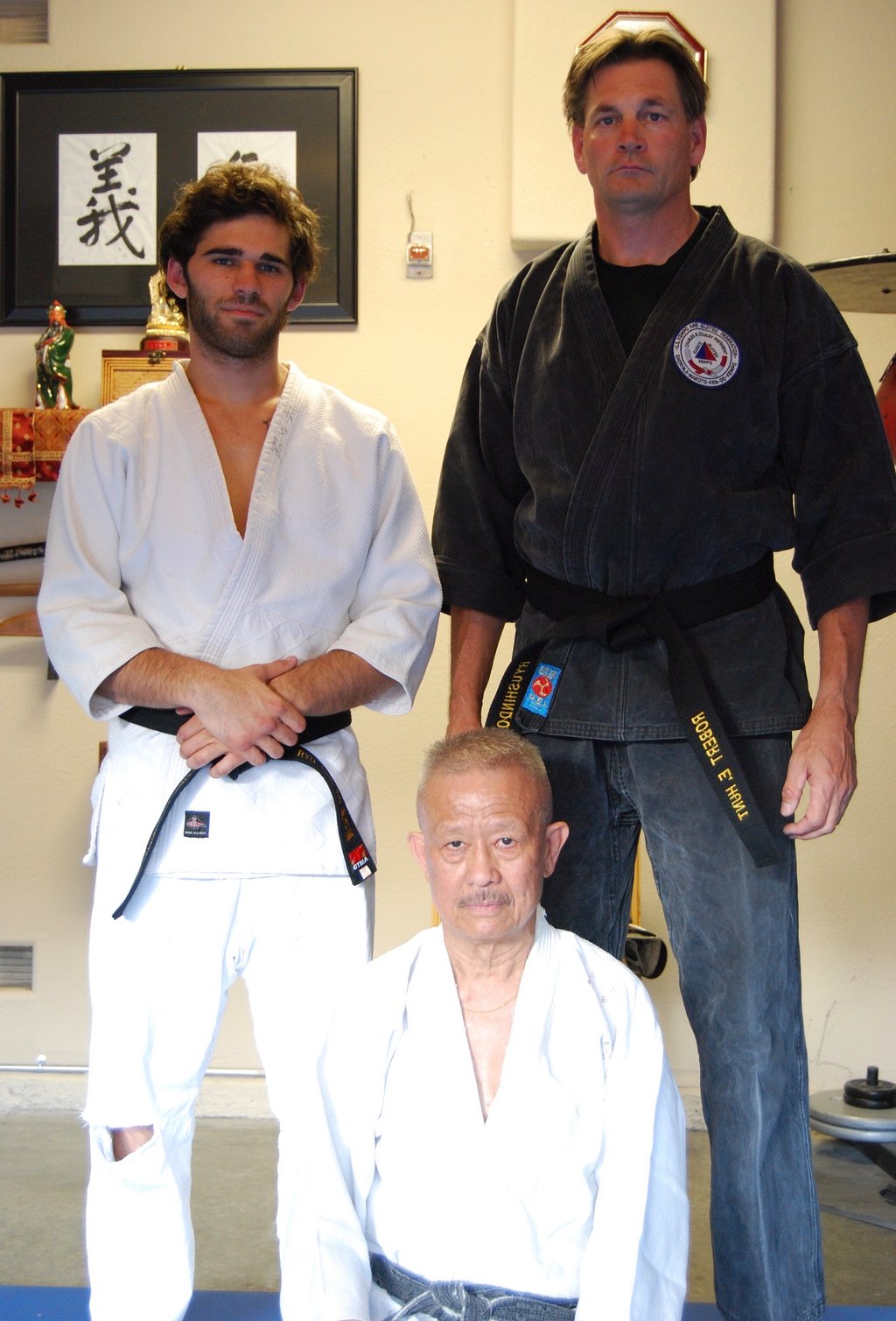
When Mr. Giordano was 15-years-old, he met Mr. Yue at the Desert Winds Martial Arts Aikido dojo in Las Vegas, Nevada. There, he also met Professor Anthony MulHolland, an unconventional and highly respected Tai Chi practitioner whose understanding of Daoism, Zen, mysticism and embodied awareness would later become instrumental to RyuShinDo's continued evolution.
Before his passing in 2016, Mr. Yue entrusted Mr. Giordano with a responsibility he had repeated for years:
“Teach as many students as possible. Open your own dojo. Keep RyuShinDo alive. Make it better. Discard anything that doesn’t work. Keep training hard… and never stop.”
Since Mr. Yue’s passing, Mr. Giordano has remained committed to fulfilling that agreement. While preserving the practical foundation Mr. Yue established, his continued study under Professor Anthony MulHolland has brought an even deeper emphasis on Tai Chi’s principles of listening, yielding, neuroplasticity, rewiring dysfunctional behaviors, and the constant development of integrity and spirit. Years of exploration in Tai Chi, Muay Thai, meditation, and community engagement have further expanded RyuShinDo into more than a system of self-defense.
Today, RyuShinDo seeks to unite two opposing paths: the practical effectiveness of martial training and the lifelong cultivation of compassion, resilience, vitality and human connection. The goal is not simply to prepare students for conflict, but to teach them how to avoid it entirely.
That same philosophy now extends beyond the dojo through artwork, education, and the RyuShinDo clothing line. Every design serves as a reminder that strength is not defined solely by one’s ability to fight, but by one’s willingness to grow, to serve others, and to continue evolving.
"True Martial Arts isn't about hurting others, its about helping them." - Professor MulHolland
All designs featured
Copyright 2026